
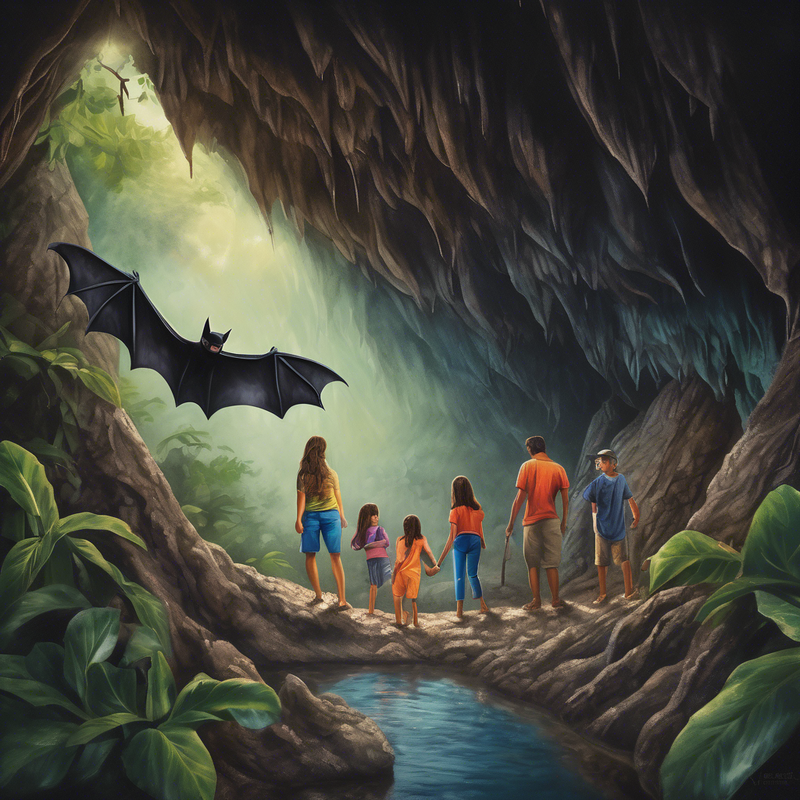
A Family’s Dark Adventure: From Bat Cave to Fungal Infection in Costa Rica
What began as an exhilarating vacation in the lush jungles of Costa Rica has taken a bewildering turn for one family. During their visit to a remote bat cave, they unknowingly exposed themselves to a hidden danger—a fungal disease that is as fascinating as it is concerning. 🌍🦇
In a world where wild adventures beckon travelers to explore nature’s wonders, the balance between thrill-seeking and health awareness is more crucial than ever. For this family, the allure of discovering one of Costa Rica’s many bat caves resulted in a deeply unsettling reminder of nature’s hidden threats.
Encountering the Unknown
Bat caves are a popular attraction in Costa Rica, part of the country’s rich biodiversity. 🌿 These natural formations host thousands of bats, playing vital roles in local ecosystems as pollinators and pest controllers. However, these furry creatures can also harbor fungi that pose considerable health risks to humans. One particularly dangerous species, Cryptococcus, is commonly found in bat droppings and can lead to cryptococcosis, a serious fungal infection.
The family, eager to capture the perfect vacation selfies, descended into the cave unaware of the air quality and potential health hazards. Their experience highlights an increasingly relevant concern: how readily accessible wildlife areas can become breeding grounds for zoonotic diseases.
Fungal Infections and Their Consequences
Cryptococcosis primarily affects the lungs but can spread to the brain, particularly in individuals with weakened immune systems. Symptoms can range from mild respiratory issues to severe neurological impairment, making awareness of potential infection routes essential for adventure travelers. 📉 According to the Centers for Disease Control and Prevention (CDC), roughly 1 million cases of cryptococcosis are reported worldwide each year, with significant morbidity.
For the affected family, the journey quickly morphed from picturesque to precarious. After returning home, family members began experiencing symptoms such as cough, fever, and fatigue. Initially dismissed as minor illnesses, these symptoms soon escalated, leading them to seek medical attention.
Health Risks Associated with Bats
The connection between bats and fungal diseases is nothing new. Bat-borne fungi thrive in warm, moist environments, making caves an ideal habitat. Experts estimate that as many as 90% of bats carry some type of fungus. 🦠 It’s essential for visitors to recognize that close encounters with bats or their droppings can potentially translate into serious health consequences.
“While bat populations are crucial for our ecosystems, we must be vigilant,” says Dr. Maria Lopez, an infectious disease specialist. “Education on proper precautions is key to preventing these infections from becoming more common.”
Prevention and Awareness: Lessons Learned
This family’s experience epitomizes the urgent need for improved tourist guidelines in ecologically sensitive areas. Travelers are encouraged to:
- Research Locations: Understand the wildlife and potential health hazards associated with specific sites.
- Avoid Direct Contact: Maintain a safe distance from bats and their habitats; wearing gloves and a mask can provide added protection in areas where fungal exposure is possible.
- Seek Medical Advice: If you suspect exposure due to a wildlife encounter, consult healthcare professionals immediately, especially if experiencing respiratory symptoms.
Public Health Implications
The ascending trend in outdoor recreational activities amidst a global pandemic, coupled with increasing human-wildlife interactions, raises several public health concerns. 🌐 Authorities must prioritize surveillance and health education in tourist hotspots to prevent similar incidents. Education about the hazards of bat interactions, particularly in tropical regions known for biodiversity, could curtail the spread of zoonotic diseases and protect both visitors and wildlife.
As this family recovers and shares their story, they impart critical knowledge about responsible wildlife tourism. The intersection of human adventure and nature’s unpredictability serves as a pivotal reminder to approach nature with respect and caution. 🌄




I think the family should have been more cautious exploring the bat cave. Safety first, especially when dealing with unknown risks!
Anyone else feeling a bit wary about exploring caves now? Fungal infections from bats sound like a nightmare! #StaySafe #CostaRicaAdventure