Daytona 500 Sets the Wheels in Motion for 2027 🏁
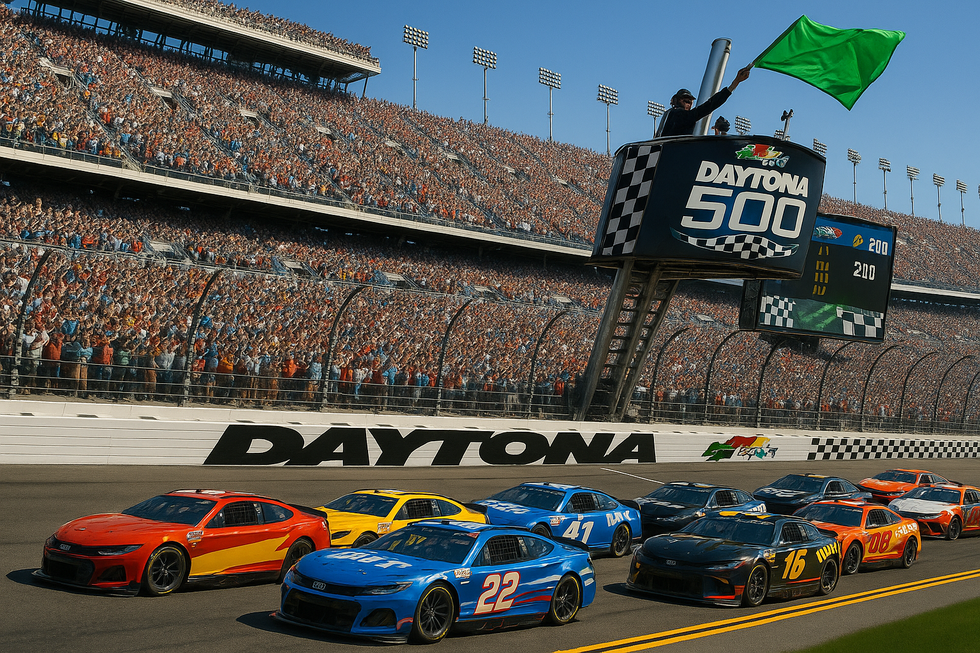
In the world of motorsport, where engines roar like lions in the jungle and the air crackles with anticipation, the announcement of the Daytona 500’s 2027 race date is like the drop of a green flag waving over a restless sea of fans. As timeless as the adage that history repeats itself, this iconic race returns once more to capture the imaginations of racing devotees and casual observers alike 🏎️.
Scheduled for February 21, 2027, the Daytona 500 promises not just another race, but a festival of speed and adrenaline. Ticket sales, opening with a fanfare usually reserved for royal occasions, promise to ignite fierce competition off the track, with fans scrambling like cheetahs on the hunt to secure their spots in the coveted Daytona International Speedway 🏟️.
The Anatomy of a Racing Phenomenon
NASCAR, an institution seemingly ingrained in the American psyche, often stands as a tribute to the paradox of progress and tradition. The Daytona 500, NASCAR’s crown jewel, showcases a striking antithesis: a sport steeping newcomers in age-old rivalries while racing headlong into a future electrified by technological advancements.
Attending the Daytona 500 is akin to stepping into a vortex where past meets present. The nostalgic growl of engines evokes early days of moonshine and rebellion, ironically intertwined with the cutting-edge aerodynamics guiding today’s sleek racing machines 🚀. The track, a monument to the relentless pursuit of speed, mirrors the unyielding waves crashing on Daytona Beach, each lap bringing new challenges and triumphs.
The Economics of Speed
Why does the Daytona 500 endure as a fixture in the sporting calendar? Unlike fleeting celebrity, it commands a loyalty as steady as the North Star. It’s not just about horsepower and pit strategies. It’s also an economic engine, a bright lighthouse for the host city providing an influx of tourism dollars and a sense of civic pride that shines as brightly as the Florida sun ☀️.
A Cultural Spectacle
For many, the event is a grand tapestry woven with threads of community, identity, and nostalgia. It’s about the gentle pirouette of tradition and technology, where fans gather to lose themselves amongst the hum of engines, the aroma of sizzling hot dogs, and the undeniable camaraderie that transcends the race 🍔.
The race’s cultural significance is akin to witnessing a theatrical performance under open skies where each driver, like a protagonist in an epic poem, battles against both rivals and their own limits. The Daytona 500 embodies the spirit of competition, the thrill of the chase, and the allure of the unattainable horizon.
Embracing the Road Ahead
As we anticipate the 2027 race, one can’t help but ponder: does the allure of the Daytona 500 owe more to the timeless craving for victory or to the romantic ideal of racing as a metaphor for the endless journey of life? It’s a question spun from the same fibers as those that have propelled humans into the unknown since time immemorial.
In this era of rapid evolution, will the heart of motorsport remain unchanged, anchored by the love of speed and an indomitable will to win, or will it persist in adapting to the socio-economic landscapes as mercurial as the sport itself 🌎?
In any case, the Daytona 500 persists as a breathtaking symphony of motion—a ballet of metal, men, and myth that continues to captivate a broad spectrum of fans across generations. And as the world waits with bated breath for 2027, we remember: it’s not just a race; it’s an embodiment of a shared human journey thirsting for excellence.