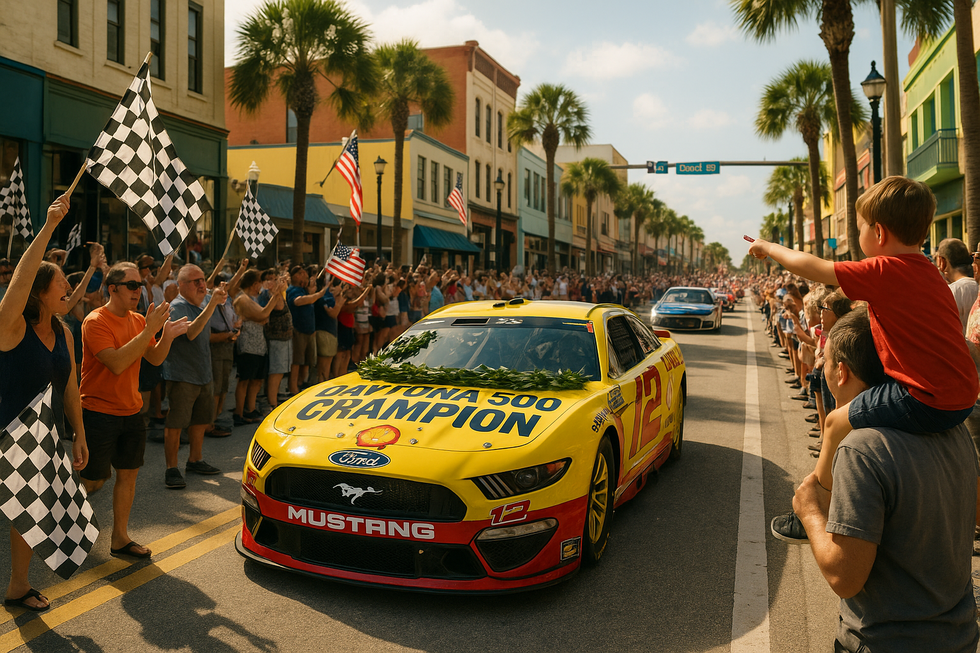
Daytona 500 Champion’s Beach Street Parade: A Victory Revved Up in Irony 🚗🏆
Amidst revving engines and cheering crowds, the Daytona 500 champion celebrated victory not just on the racetrack but down Beach Street, an irony as rich as motor oil in motorsport’s expanding narrative. Streets designed for leisurely strollers and sunbathers transformed into a raceway — a fitting climax to a driver’s relentless pursuit of speed. Yet, does this celebration mirror something deeper about motorsport’s curious juxtaposition of serenity and velocity?
The Daytona 500, a sporting spectacle steeped in tradition like a well-brewed Southern sweet tea, is paradoxically a stage for cutting-edge technology and raw competition. The race engulfs drivers in a metallic ballet at speeds where even the air feels tangible, humming with possibility and peril. But ironically, these champions find their post-race triumph celebrated with parades where the only roar permitted is applause, not engines. What does it say about our love for speed when the celebration is slowed to a crawl?
The Antithesis of Speed and Leisure
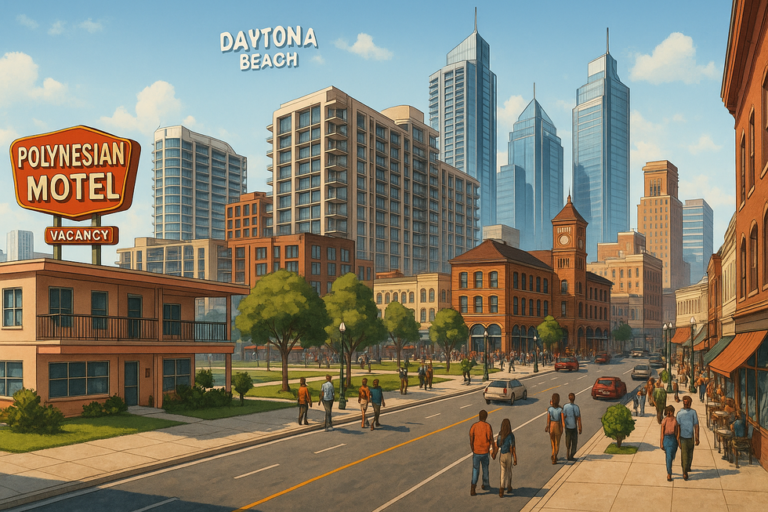
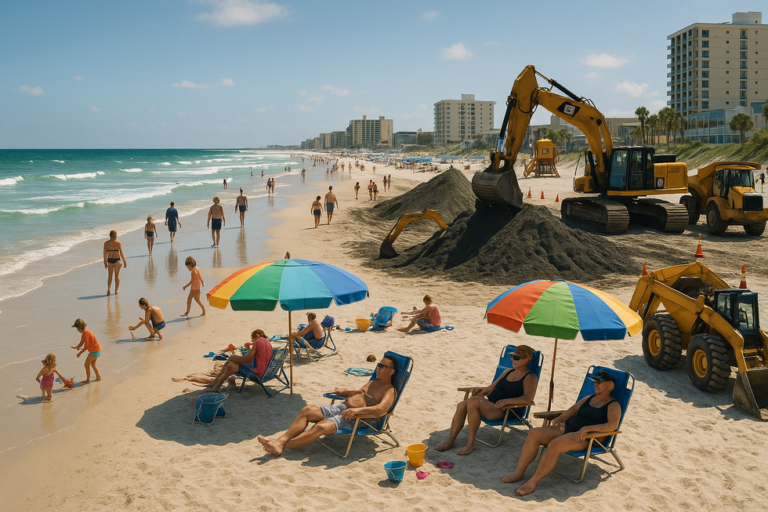
Beach Street, famously known for its laid-back charm, is an emblem of tranquility. Residents and tourists alike walk its pathways with the languid pace of a Sunday afternoon nap. Yet once a year, it hosts the victors of a sport that thrives on velocity, proving that even in leisure, there resides a hidden appreciation for the motorsport intensity. Is it not striking to consider that the same setting invites sun-kissed languor and engine roars within mere days of each other?
As NASCAR’s speeds break countless records, so too do its paradoxes. According to Motorsport.com, the average speed clocked at the Daytona 500 often exceeds 170 mph. Yet, travel down Beach Street during the victory parade, and you’ll find yourself in a time loop that encourages reflection rather than speed. Perhaps this itself is a testament to our yearning to encapsulate moments of triumph slowly enough to savor their essence.
Celebration and Community: A NASCAR Tradition
The parade on Beach Street is more than just a rolling display of fiery cars and drivers; it epitomizes a symbiotic relationship between motorsports heroes and their followers, exploring a unity as natural as rubber meeting road. Fans gather not merely to see their idols but to partake in a collective reminiscence, using the past as a track to gauge the present. A child perched on their parent’s shoulders points at the winning car, as the engine idles like a heart catching its breath after triumph.
Yet, in this regal procession, is it not ironic that the symbols of speed must give up their defining trait to truly connect with those who so eagerly idolize them? The fastest cars are reluctantly paraded at a snail’s pace, allowing each eye to savor the glory. It’s an intriguing display of how achievements, no matter how monumental, are ultimately shared and democratized in their celebration.
Racing’s Evolution: Revving into the Future
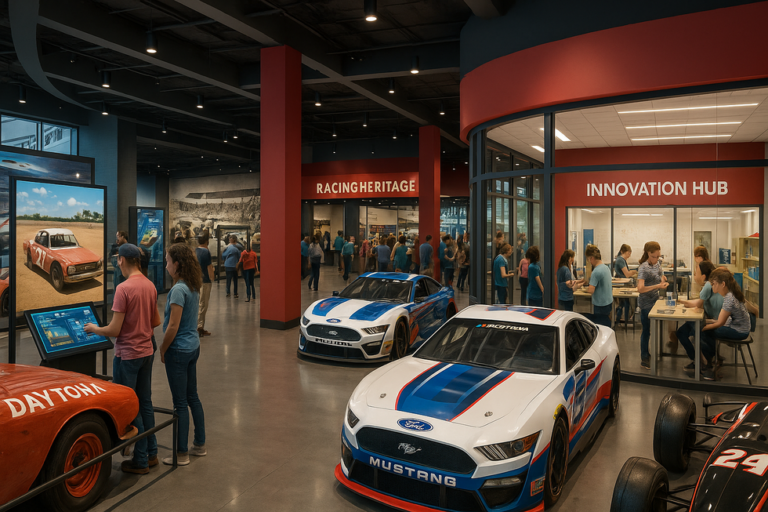
The evolution of NASCAR, like a well-understood yet unpredictable force of nature, oscillates between the rooted traditions of its past and the electrifying potential of its future. In an era where electric cars threaten the petroleum-soaked heart of stock car racing, the question stands: how does NASCAR retain its identity when its fundamental fuel is changing?
This balance, or lack thereof, stirs debate as fervent as the engines themselves. Will tomorrow’s parades be silent, the rumbling motors replaced by the hushed efficiency of electric hummingbirds? Or will the essence of NASCAR find a way to sing its roar anew, echoing down streets, ensuring Beach Street’s parade remains a testament not to what was, but to what yet could be?
The Daytona 500 champion’s Beach Street victory parade stands not only as a celebration but as a nuanced reminder of the contrasts and irony within our love for speed. Each lap adds to the history yet to be written, a testament that in motorsports, the faster we go, the more profound our quiet celebrations seem to become. 🌟🏁