
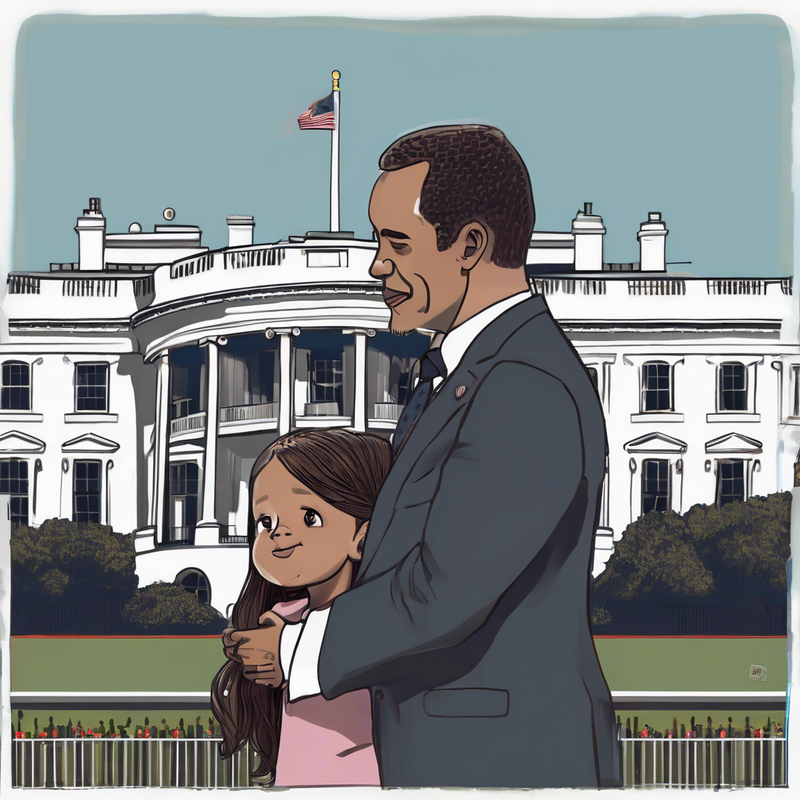
Hey Daddy: The White House’s Playful Take on International Politics
In a political world often dominated by stern faces and serious rhetoric, the White House’s recent cheeky response to Dutch Prime Minister Mark Rutte’s comments about NATO and former President Donald Trump offers a refreshing twist. Utilizing social media not just as a platform for policy engagement but also for cultural commentary, the administration linked Rutte’s remarks to Usher’s popular song “Yeah!”, igniting both laughter and thought across the globe. 🎶
At a recent NATO meeting, Rutte quipped about Trump’s unique approach to international relations, hinting that the former president’s absence from the summit would be “helpful” for unity. Such comments are par for the course in the often chaotic arena of international diplomacy, where leaders routinely navigate sensitive topics with humor and wit. Yet this particular moment opened the door to a light-hearted jab, which the White House seized, showcasing a blend of pop culture and politics. 🗣️
The Power of Cultural References in Politics
Historically, the intersection of politics and pop culture has proven effective in communicating complex ideas in relatable terms. By referencing “Yeah!”, a song that celebrates party culture and carefree attitudes, the White House framed its response not simply as a political statement but as a cultural moment. This clever usage of music serves a dual purpose: it humanizes political figures and resonates with younger constituents who might feel disenfranchised.
“Music has always been a bridge between people. Using it in politics can make the discourse more accessible and engaging,” remarked Dr. Linda Howard, a cultural analyst.
A Strategic Social Media Play
In the age of social media, timeliness and relatability are paramount. The White House’s decision to post the Usher song immediately after Rutte’s comments was both calculated and insightful. A study by Pew Research found that 72% of U.S. adults engage with political content on social media, indicating that leveraging popular culture could significantly boost engagement and dialogue around foreign policy. 📊
Furthermore, the reception of the post—itself an amalgamation of humor and critique—captures a moment in time that might otherwise be overshadowed by more serious global issues. The viral nature of Usher’s song aligns perfectly with the instantaneous sharing culture of platforms like Twitter and Instagram, making Riveting political moments more memorable and shareable. 📲
Implications for Political Discourse
Cultural artifacts, like music, possess the power to transcend traditional political boundaries. They have the potential to foster understanding among audiences that might otherwise remain divided. Importantly, by opting for a fun and engaging approach, the White House signals a willingness to bring lighter narratives into the often heavy context of international relations. This tactic may not just attract younger demographics, but it can also shift narratives in the public eye. 🎤
Global Reactions
The international response to this playful banter has been largely positive, with many political commentators praising the White House for its ability to blend humor into serious discussions about NATO and global security. However, critics argue that such engagements risk trivializing crucial diplomatic dialogues. Balancing humor with the gravity of political decisions will be critical as the U.S. navigates complex relationships abroad.
As the world rapidly evolves, infusing humor and cultural references into serious conversations becomes not merely a novelty but a necessity for fostering deeper connections and understanding. The global stage awaits more moments where culture intersects with governance, as the balance of light-heartedness amid critical policy becomes paramount to modern diplomacy.
Conclusion
The White House’s embrace of Usher’s “Yeah!” in their playful response to Mark Rutte’s NATO comments serves as a remarkable example of how political leaders can utilize music and cultural references to engage with both the media landscape and the public. The humorous interconnectedness of politics and entertainment could redefine how we perceive and engage with international issues moving forward. From summits to social media, the lines continue to blur, inviting broader conversations about the shared experiences that unite us all. 🌍




I totally agree that pop culture has a huge impact on politics! Who knew memes and TV shows could shape global relations? 🤯
I think using pop culture in politics is smart. It grabs attention and connects with younger audiences. Plus, its fun!