
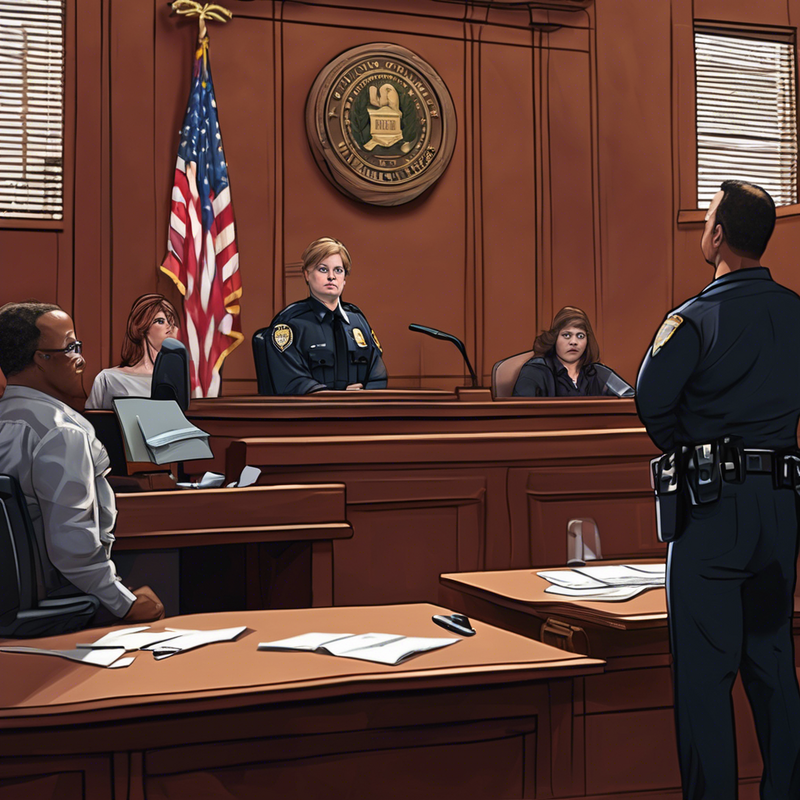
Who is Karen Read? Jury Acquits on Second-Degree Murder Charge in Cop Boyfriend Death
In a sensational courtroom drama that captivated both the public and the legal community, Karen Read stood as both an accused and an emblem, capturing the complexities of love, loss, and the justice system. 🏛️ On March 21, a jury delivered a verdict of not guilty on charges of second-degree murder regarding the passing of her boyfriend, a police officer, igniting intense debate about the implications of the case and its broader relevance in society.
The Incident: A Tragic and Complex Love Story
The events leading to the tragic death of John Doe, a municipal police officer, were both intricate and deeply emotional. On that fateful night in January 2021, Read and Doe were involved in a domestic dispute. Reports indicated that after a heated argument, Doe was found dead from injuries sustained during the altercation. 🚔 Initial investigations painted a turbulent picture of a relationship characterized by both passion and strife.
The prosecution argued that Read’s actions were deliberate, asserting that she had the opportunity to seek help but chose to evade accountability. However, Read’s defense painted a different picture, claiming self-defense fueled by years of emotional distress from their tumultuous relationship. The contrasting narratives opened old wounds while prompting crucial questions about domestic violence dynamics, mental health, and the vulnerable positions many find themselves in within intimate relationships.
“This case showcases the blurred lines of self-defense versus aggression, raising important discussions around emotional scars left by abusive relationships,” remarked Dr. Alice Morgan, a forensic psychologist.
The Trial: A Façade of Justice?
The trial itself unfolded like a gripping narrative, marked by emotional testimonies and complex legal arguments. 💼 Witnesses from both sides provided conflicting accounts of the couple’s relationship. Family members described Doe as a devoted officer but also as someone grappling with personal demons, while friends of Read attested to her psychological anguish stemming from their relationship.
Jury’s Decision: A Reflection of Society’s Complex Attitudes
Following weeks of testimony, the jury, composed of peers from the local community, deliberated for just under 24 hours before reaching their verdict. The acquittal raised eyebrows; many hailed it as a triumph of justice against gender bias, while critics condemned it as a dangerous precedent for victims of domestic violence. ⚖️
This decision not only marked a pivotal moment in Read’s life but also a significant reflection of societal attitudes toward intimate partner violence. Public reactions varied widely, echoing the complex emotional landscape surrounding the case. A series of protests and discussions emerged, emphasizing the need for deeper societal understanding and dialogue on issues of consent, self-defense, and mental health in such fraught situations. 🌍
Legal Ramifications: The Aftermath of Acquittal
The legal landscape following the trial remains turbulent. While acquittals can indeed suggest innocence, they also open avenues for civil suits and additional scrutiny into the circumstances surrounding a case. As media coverage of the case transitions from courtroom drama to societal debate, many legal experts are questioning the implications of the verdict for future domestic violence victims in their pursuit of justice.
Read’s case could potentially spark reform in how domestic disputes are handled legally, with advocates arguing for greater institutional support for victims, particularly those caught in violent cycles. 🚨 Communities are urged to examine their responses to issues surrounding familial and partner conflict, promoting preventative measures and support systems that could change the narrative for future victims.
The Bigger Picture: Moving Forward Together
In the aftermath of the trial, conversations surrounding the themes of love, loss, accountability, and systemic flaws are more pertinent than ever. As Karen Read’s story unfolds into a broader discussion on justice and relationships, it serves as a poignant reminder that many voices remain unheard in the shadows of societal judgments and biases.
This case transcends individual tragedy; it’s a lens through which we must examine the narratives dictating our understanding of violence, love, and survival. The complexities involved underscore the urgent need for societal compassion and structural change in how we support individuals entangled in emotionally charged environments. ❤️



I cant believe the jury acquitted Karen Read! Do you think it was a fair decision or a miscarriage of justice? Lets discuss!
I cant believe the jury acquitted Karen Read! Do you think justice was served or was it a miscarriage of justice? Lets discuss!